
Welcome to my blog, where I dive into the hidden treasures of India! Today, we’re exploring Similipal National Park, nestled in the heart of Mayurbhanj district, Odisha. This biodiversity hotspot has always been a haven for nature enthusiasts, but in 2025, it hit a major milestone by being officially declared India’s 107th national park and Odisha’s largest. If you’re into lush forests, cascading waterfalls, rare wildlife, and a touch of adventure, Similipal is calling your name. Let’s journey through its wonders, complete with stunning visuals to bring it to life.
A Brief History and the Big 2025 Update
Similipal’s story dates back centuries when it served as a royal hunting ground for the rulers of Mayurbhanj. Fast-forward to the 20th century: it was designated a tiger reserve in 1973 under Project Tiger, and later a biosphere reserve in 1994, earning UNESCO recognition in 2009. But human settlements inside the park delayed its full national park status—until April 2025, when the Odisha government finally notified 845.70 square kilometers as a national park under the Wildlife (Protection) Act, 1972. This makes it Odisha’s second national park after Bhitarkanika, and it’s now “rights-free,” meaning stricter conservation rules with no human activities in the core zone.
However, this move hasn’t been without controversy. Some wildlife experts call it a “conservation milestone,” while others worry it’s too little too late, given past damages like the massive 2021 fires that scorched the reserve and displaced animals. As of September 2025, the park is closed to visitors from July 1 due to monsoon rains, but nature camps remain open for those eager to experience it off-season.
Geography: A Landscape of Peaks and Cascades
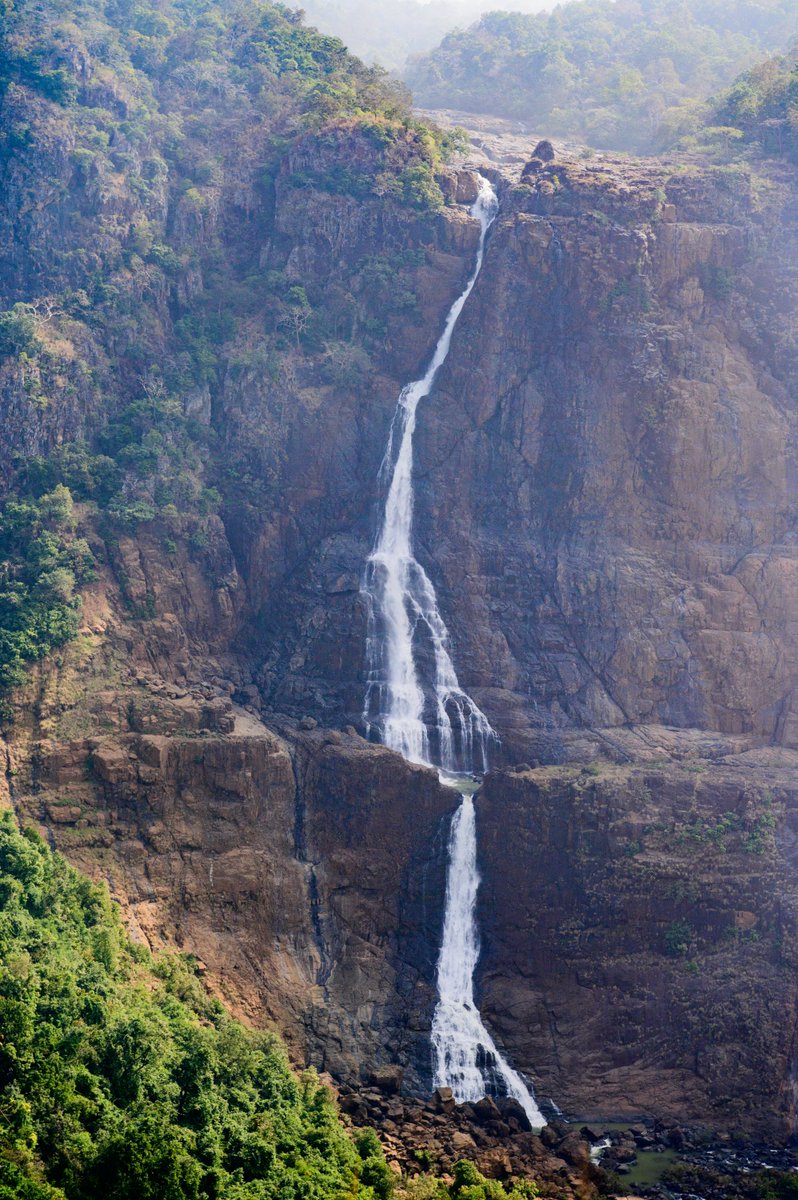
Spanning 2,750 square kilometers, Similipal is a feast for the eyes with its rolling hills, deep valleys, and dramatic elevations averaging 900 meters. The highest peaks, Khairiburu (1,178 m) and Meghasani (1,158 m), offer breathtaking vistas. Rivers like the Budhabalanga and Kharkai carve through the terrain, feeding stunning waterfalls—Barehipani (217 m, India’s second tallest) and Joranda (181 m) are must-sees. The park’s divided into northern and southern zones: the north for tourism with spots like Sitakund and Lulung, and the south for rugged highlands.

The scenery shifts from dense sal forests to grasslands, making it perfect for hikes and safaris. And if geology tickles your fancy, check out the anticline folds at Chaulabhaja Waterfall—a natural rock formation that’s a photographer’s dream.

Flora and Fauna: A Biodiversity Hotspot
Similipal is home to over 1,076 plant species, including 96 orchids, and a mix of moist deciduous, dry deciduous, and semi-evergreen forests. You’ll spot sal trees, eucalyptus (planted by the British), and medicinal plants galore.
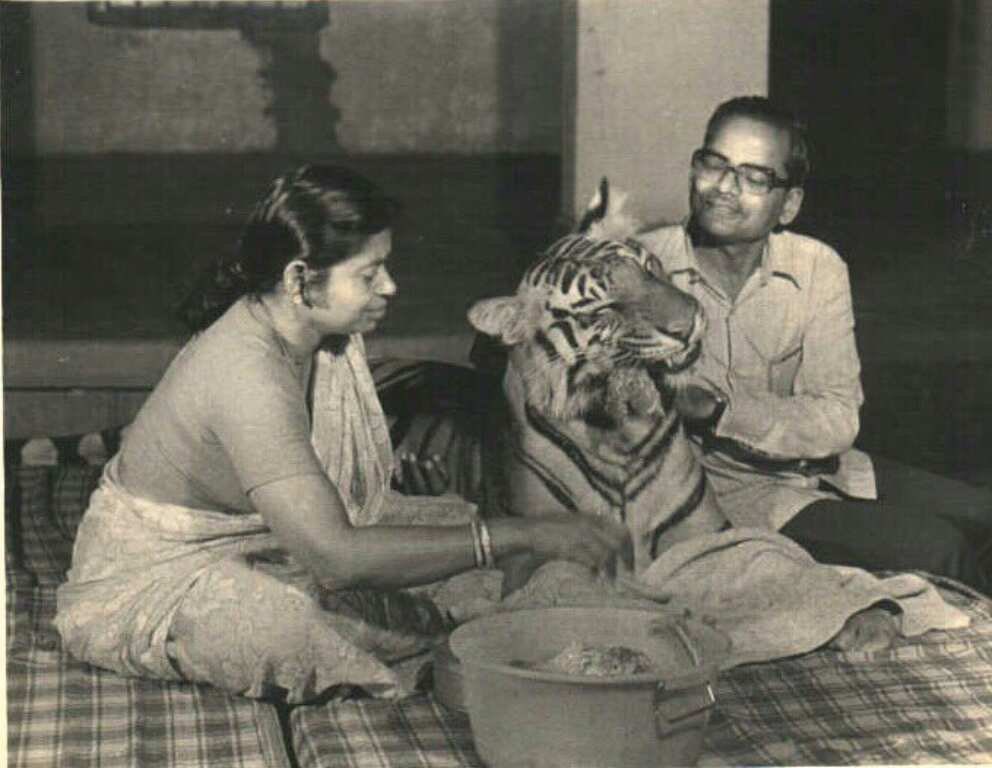
On the wildlife front, it’s a tiger lover’s paradise with Bengal tigers, Asian elephants, leopards, gaurs, and rare melanistic tigers. Birdwatchers can tick off 242 species like hill mynahs and peafowls, while reptiles include mugger crocodiles thriving thanks to a dedicated conservation program. Remember Khairi, the legendary tigress rescued in 1974? She symbolized human-wildlife harmony, living peacefully with her caretaker while staying wild at heart.

Conservation Efforts: Battling Poaching with Tech
Conservation here is no walk in the park—literally. With tribal villages inside, relocation efforts continue, like the 2015 move of Jamunagarh village. Recent wins include AI-powered cameras nabbing poachers. In early September 2025, four hunters were arrested in the core area with guns seized, thanks to AI trails and intelligence. Another bust in July 2025 caught seven wildlife traffickers with tiger skins and elephant tusks.
IFS officer Samrat Gowda has been a game-changer in anti-poaching, turning Similipal into a safer haven for tigers. And let’s not forget unsung heroes like headmaster Bhupal Chandra Mahato, who risks tiger encounters to teach tribal kids for a meager salary—true dedication!

Tourism: Plan Your Visit
The best time to visit is October to March for wildlife sightings—avoid monsoon closures. Enter via Jashipur (north) or Pithabata (south). Stay at eco-camps like Jamuani or Kumari for an immersive experience. Safaris, trekking, and birdwatching are highlights, but watch for malaria risks.
Pro tip: Book through the official site (similipal.org) and respect the rules—no plastic, stay on paths.
Wrapping Up: Why Similipal Matters
Similipal isn’t just a park; it’s a living testament to India’s wild heritage in Mayurbhanj. With its new national park status, expect more funding and protection, but challenges like poaching and climate impacts remain. If you’re planning a trip, go with an eco-mindset—leave only footprints.
Have you visited Similipal? Share your stories in the comments! For more on Odisha’s wonders, subscribe to my blog.
All images sourced from public X posts and used for illustrative purposes.