
Hello, fellow travelers and history enthusiasts! Welcome to my blog where I dive deep into the hidden treasures of India. Today, we’re exploring the Kichakeswari Temple in Khiching, Mayurbhanj district, Odisha. This isn’t just any temple—it’s a stunning example of ancient Kalinga architecture, a site steeped in royal history, and a place that blends spirituality with archaeological wonders. As someone who’s always fascinated by how history shapes our present, I thought harder about what makes this temple truly special: its resilience through centuries, the cultural fusion it represents, and the ongoing efforts to preserve it in modern times. Let’s journey through its story, complete with captivating pictures to bring it all to life.
A Glimpse into the Past: The History of Kichakeswari Temple
Nestled in the quaint village of Khiching, once the capital of the mighty Bhanja dynasty, the Kichakeswari Temple stands as a testament to Odisha’s rich royal legacy. Dedicated to Goddess Kichakeswari (a fierce form of Chamunda or Kali), the temple’s origins trace back to the 7th or 8th century AD, with some accounts pinpointing its construction around 920-925 CE. It served as the family deity (ishtadevata) and state deity of the Bhanja rulers, who governed Mayurbhanj from the 9th to 12th centuries. These kings were not just warriors but patrons of art, fostering a harmonious blend of Hinduism, Buddhism, and Jainism in the region.
The temple faced significant challenges over time, including damage from vandalism and structural weaknesses. In the early 20th century, Maharaja Purna Chandra Bhanjdeo initiated restoration, even establishing a museum in 1922 to house excavated artifacts. After his passing, his successor, Maharaja Pratap Chandra Bhanjdeo, oversaw a full reconstruction in 1934, costing around ₹85,000. This rebuild preserved the original sculptures while adhering to the traditional Kalinga style, though it notably lacks a porch—earning it the unique “Khiching style” designation.
What strikes me most is how this temple embodies resilience. Despite invasions and natural wear, it has been reborn, symbolizing the enduring spirit of Odisha’s cultural heritage. Legends even link its name to Kichaka from the Mahabharata, adding a layer of mythological intrigue, though this remains more folklore than verified history.

A majestic view of the temple’s black chlorite facade, captured in a recent photo from August 2025. It’s often called the “Black Pagoda” due to its granite construction, predating the Konark Sun Temple by 300 years.
Architectural Marvels and the Enigmatic Deity
The temple’s architecture is a feast for the eyes, built entirely from black chlorite (also known as Muguni Pathara or black granite), standing tall at 100 feet and spanning 1,764 square feet. It’s a classic rekha vimana style with a curvilinear spire, elevated on a 1.2-meter platform, and faces east. The exterior walls are adorned with intricate carvings: nayakas (heroes), naga-nagin (serpent figures), Ganesha, Kirtimukha motifs, and other divine icons. Inside the complex, you’ll find unique pillars sculpted with nagin figures and a preserved brick structure called Itamundhi.
At the heart of the shrine is the deity herself—a ten-armed, skeletal image of Chamunda-Kali, seated on a lotus emerging from Purusa’s navel. Her form is both awe-inspiring and fearsome, with visible veins, ribs, a sunken belly, and a garland of skulls. Though parts of the idol were damaged and reassembled, she holds symbols like a dambaru (drum), cup, rosaries, and a severed head, with gestures of protection (Abhaya) and boon-giving (Varada). This depiction isn’t just artistic; it reflects the tantric influences in Odisha’s Shaivite and Shakta traditions.
Thinking deeper, the architecture here isn’t merely decorative—it’s a narrative in stone, telling stories of devotion, power, and the cosmos. The absence of a porch forces a direct, intimate encounter with the divine, stripping away distractions and amplifying the spiritual intensity.

An up-close look at the temple’s intricate details, shared in a July 2025 post. The black stone carvings highlight the skilled craftsmanship of the Bhanja era.
Cultural and Archaeological Significance
Khiching isn’t just about the temple; it’s a cultural crossroads. The adjacent Khiching Museum, Odisha’s second-oldest (established 1922), houses artifacts from 1908 excavations by the Archaeological Survey of India. Expect to see idols of Durga, Ganesha, Parsvanatha (Jain), Tara (Buddhist), Parvati, Ardhanarishvara, and more. These reflect the Bhanja rulers’ tolerance, where multiple faiths thrived side by side. The museum also displays copper tools, terracotta figurines, coins, and stone implements, painting a vivid picture of ancient life.
Festivals like Basantika Durgapuja and a seven-day Mahashivaratri celebration draw devotees, blending ritual with community. For me, this site underscores how religion and culture intertwine to foster unity— a lesson especially relevant in our divided world today.
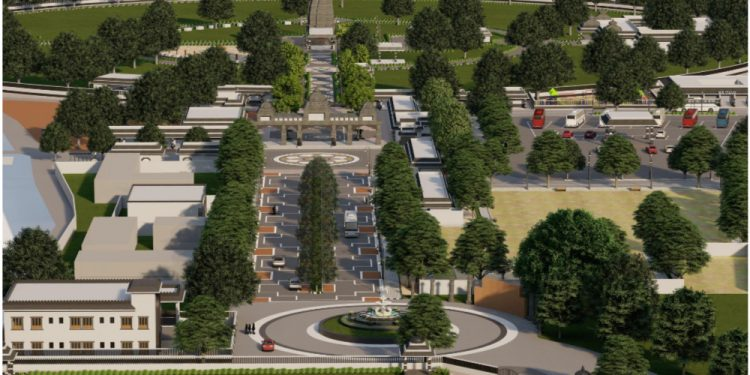
A glimpse of the temple complex, including potential museum views, from a May 2025 update announcing development plans.
Recent Developments: Breathing New Life into Heritage
As of 2025, the temple is getting a modern boost. In March, Chief Minister Mohan Charan Majhi allocated ₹50 crore for the development of Khiching and the Kichakeswari Temple. By May, a detailed master plan worth ₹52.93 crore was prepared, focusing on infrastructure, tourism enhancements, and preservation. These initiatives aim to make the site more accessible while safeguarding its historical integrity. It’s exciting to see how ancient wonders are being integrated into contemporary tourism, potentially including better roads, visitor facilities, and eco-friendly additions.
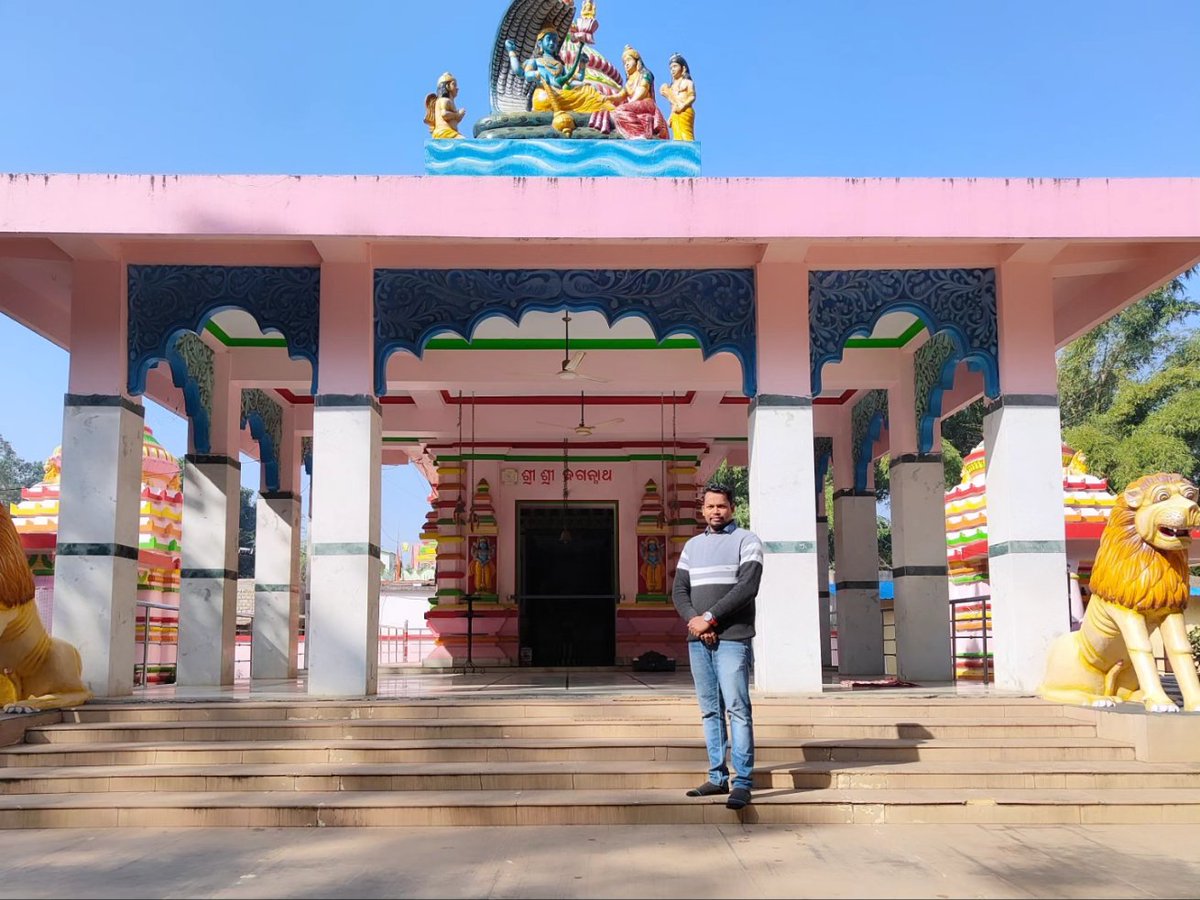
Photos from an April 2025 visit, showcasing the temple alongside nearby sites like the Jagannath Temple in Badraruan, highlighting its role in regional exploration.
Planning Your Visit: Tips for the Adventurer
Khiching is about 150 km from Baripada (Mayurbhanj’s headquarters) and 205 km from Balasore. Reach it by road from Keonjhar (45 km) or Karanjia (25 km), with buses available. The nearest railway stations are Keonjhar or Balasore, and Bhubaneswar’s airport is 245 km away. Best time? October to June for milder weather.
Temple timings: 5 AM to 10 PM (with a break from noon to 3 PM—confirm locally). Stay at local Panthanivas or guesthouses; dining options are limited, so pack snacks. Don’t miss the garden, a luck-testing iron pole, or nearby boating pond. Proximity to Simlipal National Park (40 km) makes it a perfect combo trip.
Pro tip: Visit the museum after 10 AM and respect the site’s sanctity—no photos inside the sanctum.

A March 2025 image capturing the temple’s serene environment amid lush greenery, perfect for spiritual seekers.
Final Thoughts: Why Kichakeswari Calls to the Soul
Reflecting deeper, the Kichakeswari Temple isn’t just a historical site—it’s a mirror to our shared human quest for meaning. In its black stone walls, I see echoes of forgotten empires, resilient faiths, and the timeless power of devotion. Whether you’re a history buff, a spiritual wanderer, or just seeking offbeat adventures, Khiching offers a profound escape. As Odisha invests in its future, this temple reminds us that preserving the past enriches the present.
Have you visited? Share your stories in the comments! If you’d like me to generate custom images or illustrations for this blog (like artistic renders of the deity or temple maps), just confirm, and I’ll get on it.
Until next time, keep exploring! 🌟
All images sourced from public domains and credited where possible. For more details, check official tourism sites like odishatourism.gov.in.