

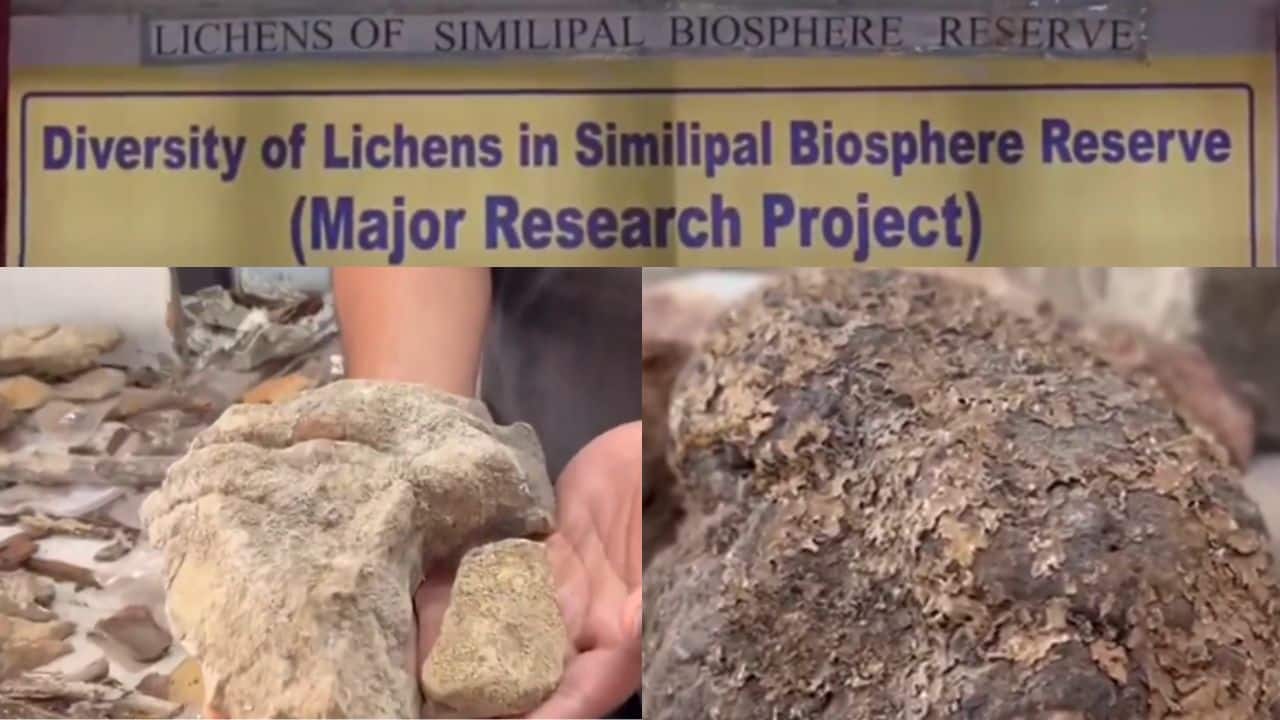
In a remarkable scientific achievement, researchers from Maharaja Sriram Chandra Bhanja Deo University in Baripada have uncovered 148 species of lichens in Odisha’s Similipal National Park—the highest number ever recorded in the state. This discovery, announced on February 8, 2026, highlights the park’s extraordinary biodiversity and opens new avenues for medical research.
Lichens, fascinating symbiotic organisms formed by fungi and algae or cyanobacteria, thrive in pristine environments like Similipal’s dense forests. Among the identified species, one—Cladonia fruticulosa—is new to Odisha, while Physciella melanchra (also reported as Physcia melanocroma) marks its first record in India. Genera such as Parmotrema, Cladonia, Heterodermia, Dirinaria, Trypethelium, Diorygma, and Graphis were prominently featured in the findings.
What makes this breakthrough even more exciting is the medicinal potential of these lichens. Many contain bioactive compounds like thermoquinone, zeorin, and azelaic acid, which exhibit anticancer, antimicrobial, antioxidant, and other therapeutic properties. Researchers suggest these could pave the way for new drug developments, potentially aiding in treatments for cancer, infections, diabetes, ageing, and chronic diseases like heart conditions.
Led by Professor Biswajit Rath from the university’s Biotechnology Department, the study was supported by the Odisha government’s Science and Technology Department and collaborated with the National Botanical Research Institute in Lucknow. “We surveyed lichens and identified 148 species, including one new to Odisha and the first in India,” Professor Rath noted in interviews.
This discovery not only underscores Similipal’s role as a pollution-free haven for unique flora and fauna but also positions it as a potential hub for pharmaceutical and medicinal research. Experts emphasize the need for conservation to harness these natural treasures fully.


As we celebrate this milestone in biodiversity research, it serves as a powerful reminder of the untapped potential hidden in India’s natural reserves. Continued efforts in conservation and scientific exploration could unlock even more secrets from Similipal, benefiting global health and environmental sustainability for generations to come.